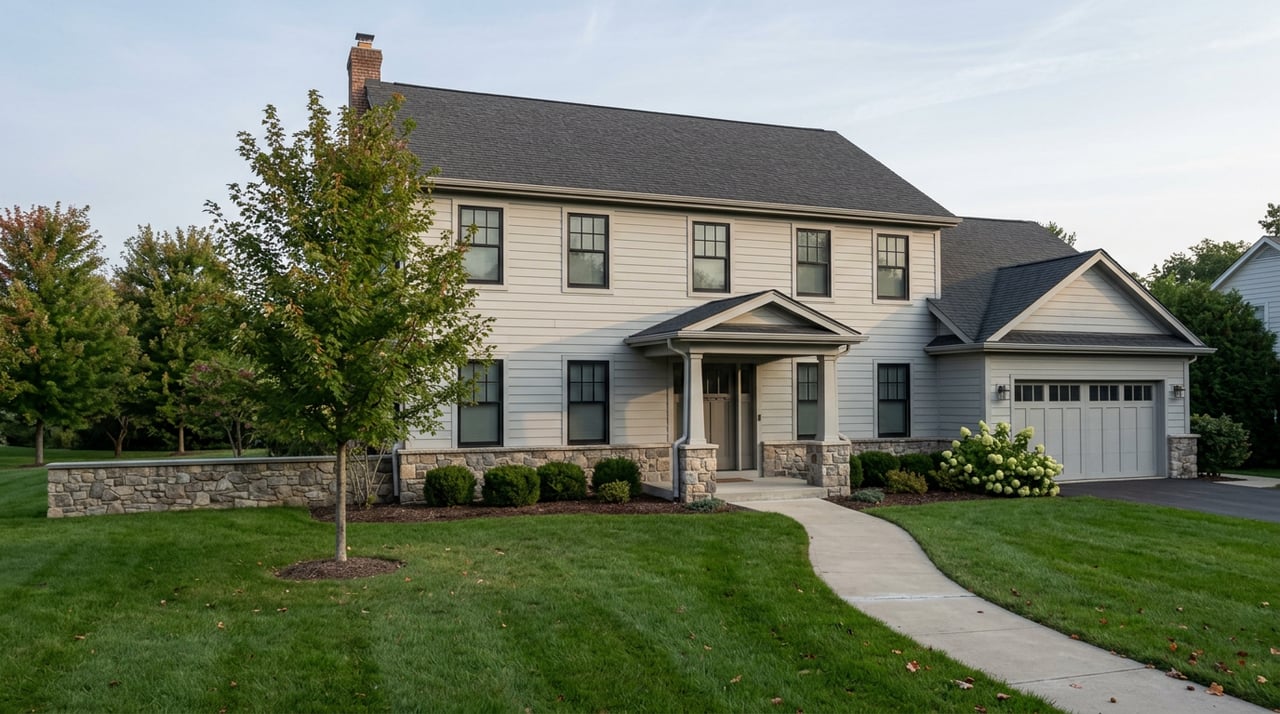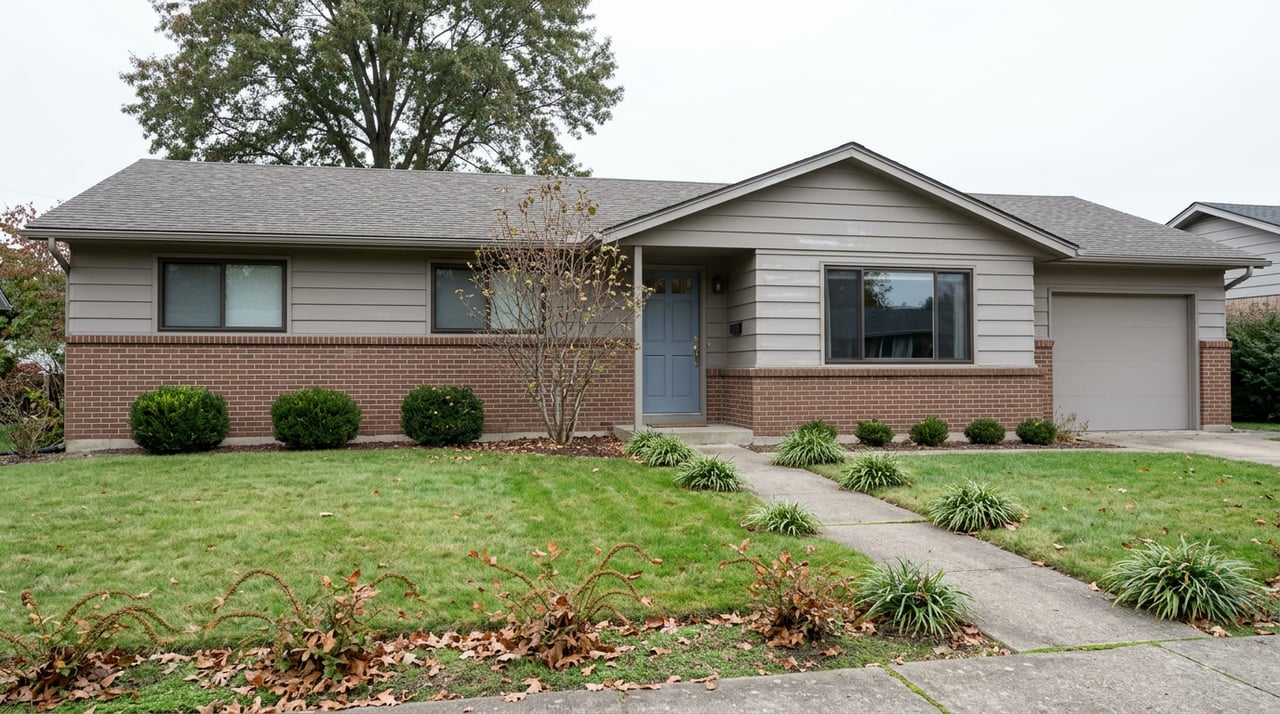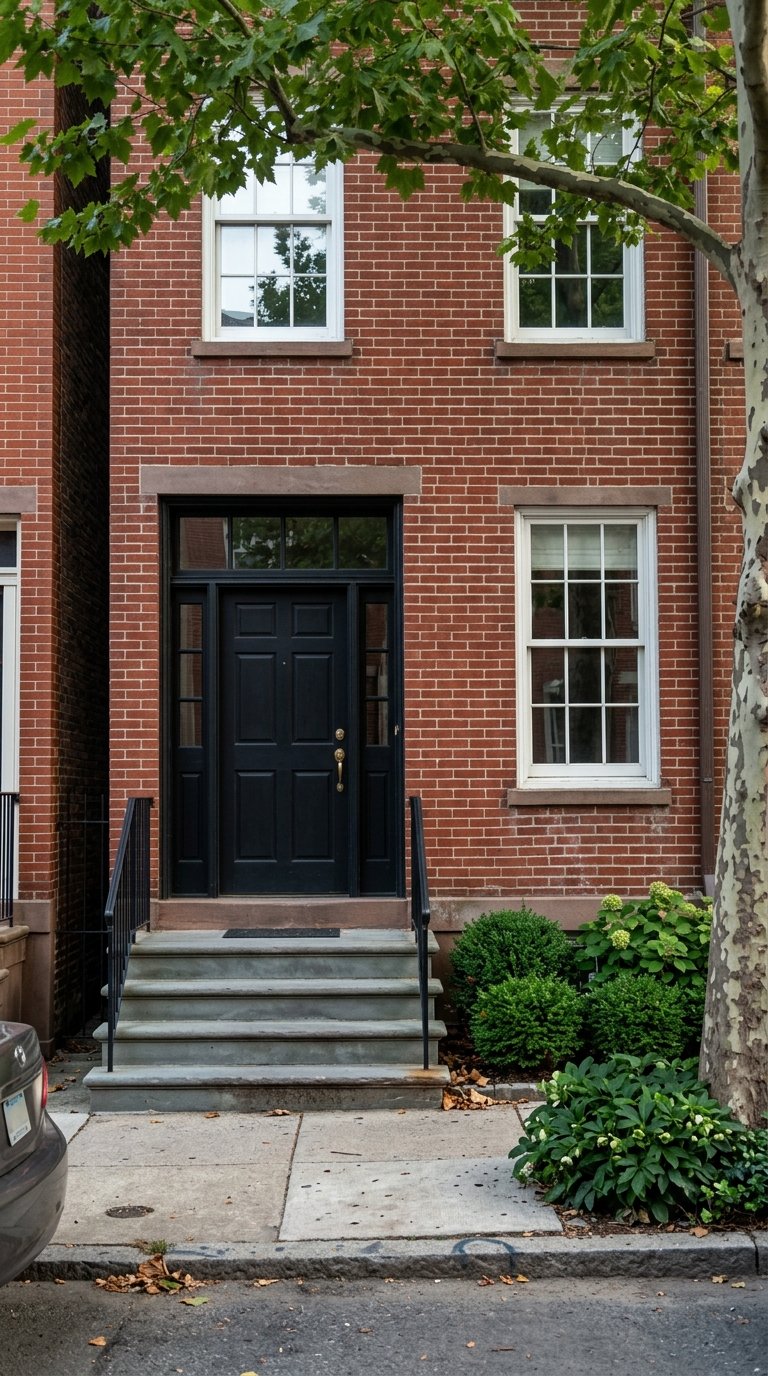
If you are deciding between Wilmington’s Riverfront, Trolley Square, and downtown, you are really choosing between three different versions of city living. Each area offers a distinct mix of housing, budget, commute convenience, and day-to-day atmosphere. This guide will help you compare them side by side so you can focus your search with more clarity and confidence. Let’s dive in.
How Wilmington’s Three Areas Differ
Wilmington’s Riverfront, Trolley Square, and downtown each serve a different kind of buyer. The Riverfront is the newest-feeling option, centered on the Christina River and shaped by mixed-use redevelopment. Trolley Square is rooted in historic residential streets and a well-known dining and nightlife scene, while downtown is the city’s most transit-connected mixed-use core.
If you are trying to narrow your options, it helps to think in terms of priorities. Do you want newer buildings and waterfront amenities, classic housing character, or the easiest access to trains, buses, dining, and business activity? That framework usually makes the comparison much easier.
Housing Styles and Price Positioning
Riverfront homes
The Riverfront stands out for newer residential product. City planning materials point to apartment and condo living tied to redevelopment, including communities such as Justison Landing and Harlan Flats with features like balconies, river views, covered parking, and a pool.
Public neighborhood-wide value data for the Riverfront is limited, but available listings suggest a higher-amenity segment. Sample one-bedroom rentals have been shown around $1,700 to $2,000 per month, and nearby Christina Landing condominium pricing has been around the mid-$300,000s. If you want newer construction and building amenities, this is the clearest fit of the three.
Trolley Square homes
Trolley Square offers the most traditional residential fabric. According to the city’s historic district materials, the neighborhood grew along Delaware Avenue’s horse-drawn trolley line and includes large Victorian houses, rowhouses, semi-detached homes, and apartment houses.
That gives Trolley Square a different feel from the Riverfront and downtown. Zillow’s neighborhood index places the typical home value at about $254,713 as of May 31, 2026, which supports its middle-position pricing compared with the other two areas in this comparison.
Downtown homes
Downtown has the broadest mixed-use housing base. Wilmington Downtown, Inc. reports that the area has added more than 1,100 housing units since 2014 and now includes about 7,969 housing units and more than 13,500 residents.
The housing mix leans heavily toward apartments and condos, though city planning materials also note live/work condos and a limited number of single-family homes in the creative district area. Zillow’s current Downtown, DE home-value index is about $139,424, making downtown the lowest entry point of the three based on the available public data.
Lifestyle and Everyday Feel
Riverfront lifestyle
The Riverfront is the most recreation-focused and attraction-heavy option. Official tourism sources highlight amenities such as the Wilmington Blue Rocks stadium, Delaware Children’s Museum, Riverwalk Mini Golf, Riverfront Market, Delaware Theatre Company, Tubman-Garrett Riverfront Park, the Kalmar Nyckel, and the DuPont Environmental Education Center.
This area tends to feel more like a waterfront promenade than a traditional neighborhood main street. If you picture walks along the river, easy access to entertainment, and a newer built environment, the Riverfront has a strong case.
Trolley Square lifestyle
Trolley Square is the most nightlife-oriented of the three. Visit Wilmington describes it as a lively hub for bars, live music, and restaurants, with a central gathering point around 701 Delaware Avenue.
For many buyers, the appeal is not just the housing stock but also the neighborhood rhythm. Trolley Square feels social, established, and locally recognizable, with a strong identity tied to its trolley-era history and street-level activity.
Downtown lifestyle
Downtown offers the broadest range of activity. It combines dining, arts, offices, events, and residential living in one larger mixed-use environment.
Visit Wilmington points to Market Street dining, the DE.CO and Chancery Market food halls, and major events such as the Clifford Brown Jazz Festival and the Ladybug Music Festival. Wilmington Downtown, Inc. also describes downtown as the region’s economic and social hub, with 880 businesses, museums, convention space, and access to a 1.75-mile Riverwalk.
Commute and Transit Access
Riverfront commuting
The Riverfront works well if station access matters to you. Amtrak places Wilmington Station at 100 South French Street in downtown, and both Amtrak and Riverfront sources note the Riverfront’s close proximity to the station.
The area also has DART service, with Visit Wilmington noting that Route 32 makes several stops throughout the development. If you want to stay near the train without living in the middle of downtown, the Riverfront offers a practical middle ground.
Trolley Square commuting
Trolley Square is connected, but it is less transit-centric. DART Route 42 serves Delaware Avenue and Adams Street, and Route 301 also stops along Delaware Avenue at Adams Street.
That means you can access transit, but the area’s commute pattern is more surface-route based. For many buyers, Trolley Square works best when you want neighborhood character first and transit convenience second.
Downtown commuting
Downtown is the strongest choice for car-light living. It is Wilmington’s main transit hub, anchored by the Amtrak and SEPTA station at 100 South French Street and supported by multiple DART route clusters near King Street, the station, and the Wilmington Transit Center.
If your goal is to reduce car dependence as much as possible, downtown is the clearest answer. It gives you the most direct access to rail and bus connections in the city.
Which Area Fits Your Budget Best
If you are comparing these three areas mainly through a budget lens, the current public data supports a simple ranking.
| Area | General price position | What you are typically paying for |
|---|---|---|
| Downtown | Lowest entry point | Mixed-use location, transit access, apartment and condo inventory |
| Trolley Square | Middle | Historic housing character, neighborhood identity, dining and nightlife access |
| Riverfront | Higher-amenity segment | Newer buildings, waterfront setting, station proximity, building amenities |
This does not mean every home or condo will fit neatly into that order, but it is a useful starting point. In practice, your final decision often comes down to whether you value lower entry cost, older-home character, or newer amenity-rich living.
Best Fit by Buyer Priority
Choose Riverfront if you want newer amenities
The Riverfront is the best match if you want newer construction, condo or apartment-style living, and a polished waterfront setting. It also makes sense if you like being near entertainment and close to the train station.
Choose Trolley Square if you want historic character
Trolley Square is the strongest fit if you want a more classic residential feel. Its mix of Victorian homes, rowhouses, and semi-detached properties gives it the most traditional neighborhood housing stock in this comparison.
It also works well if restaurants, bars, and a strong local identity are high on your list. Among these three areas, it is the one that leans most clearly into neighborhood-scale social life.
Choose downtown if you want convenience
Downtown is the most practical fit if your priorities are transit access, mixed-use convenience, and a lower urban entry point. It offers the broadest combination of dining, events, business activity, and residential inventory.
For buyers relocating to Wilmington or trying to simplify daily logistics, downtown can be especially appealing. You get the strongest connection to trains, buses, and city activity all in one place.
How to Narrow Your Search
When buyers compare Wilmington neighborhoods, the most useful next step is usually to rank your top three priorities. Start with budget, then decide how much weight to give housing style, commute, and daily atmosphere.
A simple checklist can help:
- Do you want the lowest entry point possible?
- Do you prefer newer buildings or older housing character?
- How important is train access?
- Do you want nightlife close by?
- Would you rather live near the river, in a historic residential area, or in the city core?
Once you answer those questions, the right area often becomes much clearer. From there, you can compare actual homes, condos, and blocks that match your goals instead of trying to evaluate the whole city at once.
If you are weighing Wilmington’s Riverfront, Trolley Square, and downtown, a focused home search can save time and prevent second-guessing. The right fit is not just about price or square footage. It is about finding the area that supports the way you want to live day to day. When you are ready to compare options in person or build a strategy around your budget and timeline, connect with Nicholas Smith.
FAQs
Which Wilmington area has the lowest home values among Riverfront, Trolley Square, and downtown?
- Based on the current public data in this comparison, downtown has the lowest entry point, with Zillow showing a home-value index of about $139,424.
Which Wilmington area is best for newer condos and amenities?
- The Riverfront is the best fit for newer condo and apartment-style living, with redevelopment-era buildings and amenities such as covered parking, pools, balconies, and river views.
Which Wilmington area has the most historic housing character?
- Trolley Square has the most classic housing feel, with Victorian homes, rowhouses, semi-detached homes, and apartment houses tied to its historic development.
Which Wilmington area is best for train commuters?
- Downtown is Wilmington’s main transit hub, and the Riverfront is a close second because it is within walking distance of Wilmington Station.
Which Wilmington area is best for restaurants and nightlife?
- Trolley Square is the most nightlife-oriented area, while downtown offers the broadest overall mix of dining, arts, and events.
Which Wilmington area should I choose if I want a car-light lifestyle?
- Downtown is the strongest option if you want to minimize car dependence because it has the city’s most concentrated rail and bus access.