Thinking about a move to Wilmington and wondering what daily life actually feels like? You want a place that is easy to live in, offers real neighborhood character, and keeps your commute predictable. In this guide, you’ll see how Wilmington’s core neighborhoods differ, how people get around, what locals do on weekends, and what typical housing budgets buy today. Let’s dive in.
Wilmington in a nutshell
Wilmington is a compact city of roughly 73,000 residents across about 10.9 square miles, so most essentials stay within a short drive or quick rideshare. The average commute time sits around 23 to 24 minutes, which is helpful context if you are used to longer big-city drives or trains. You also sit on the Northeast Corridor, which simplifies regional trips and opens up Philadelphia jobs for rail commuters. If you like having city energy and green space close by, Wilmington balances both.
Neighborhoods and lifestyle pockets
Wilmington publishes an official map of 42 neighborhoods, which is a good reference when you are comparing blocks and boundaries. Use the city’s neighborhood map to orient yourself to what is inside city limits versus nearby suburbs. As you tour, you’ll notice four everyday “micro-zones” many buyers focus on.
Riverfront and Downtown
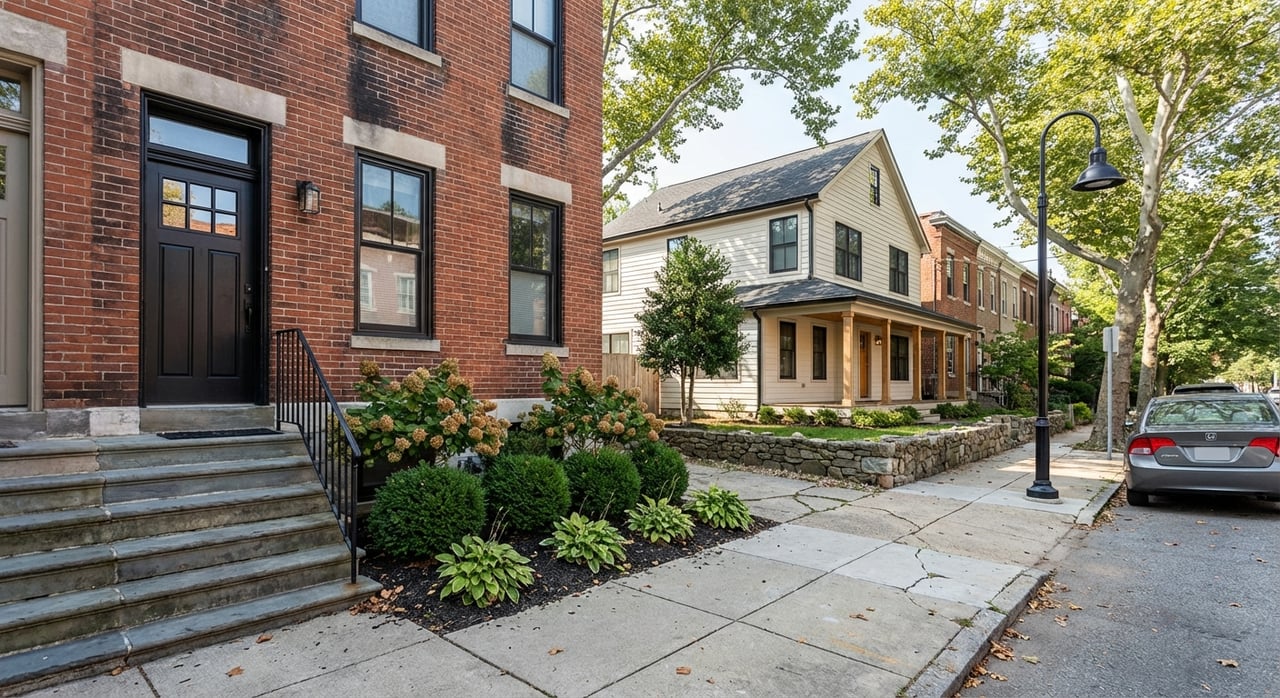
If you want a walkable rhythm, the Riverfront and nearby downtown blocks are where you’ll likely start. Daytime energy clusters around Market Street and the Christina River, with restaurants, coffee spots, theaters, and seasonal events along the boardwalk. The housing mix includes brick rowhouses, converted historic lofts, and newer riverfront condos or apartments, which suits buyers who want short errands on foot and easy transit. Weekend plans often start with a riverwalk and dinner overlooking the water.
Midtown and Brandywine Park
A few minutes north, Midtown and the Brandywine Park area feel leafy and residential while staying close to downtown. You’ll find pocket parks, tree-lined streets, and quick access to the museum and arts corridor along the Brandywine. This pocket appeals if you want calmer blocks, green space nearby, and an easy hop to city restaurants and venues.
Trolley Square, Forty Acres, Little Italy, West Side
These in-town neighborhoods offer classic Wilmington character. Think historic rowhouses, small commercial strips, local bakeries, and long-running neighborhood institutions. You’re convenient to Brandywine Park and just minutes to the Riverfront for evening plans. Many buyers like the balance of “city neighborhood” feel with quick access to parks and Downtown.
West and North Wilmington, plus close-in suburbs
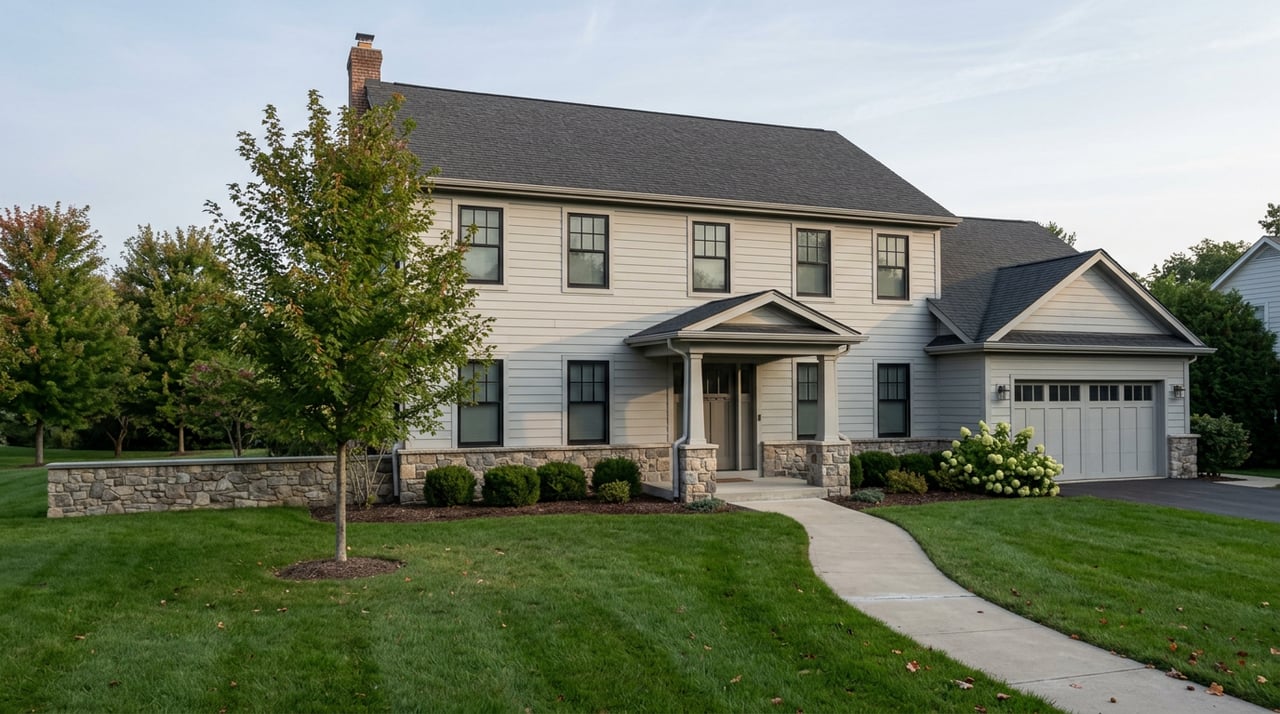
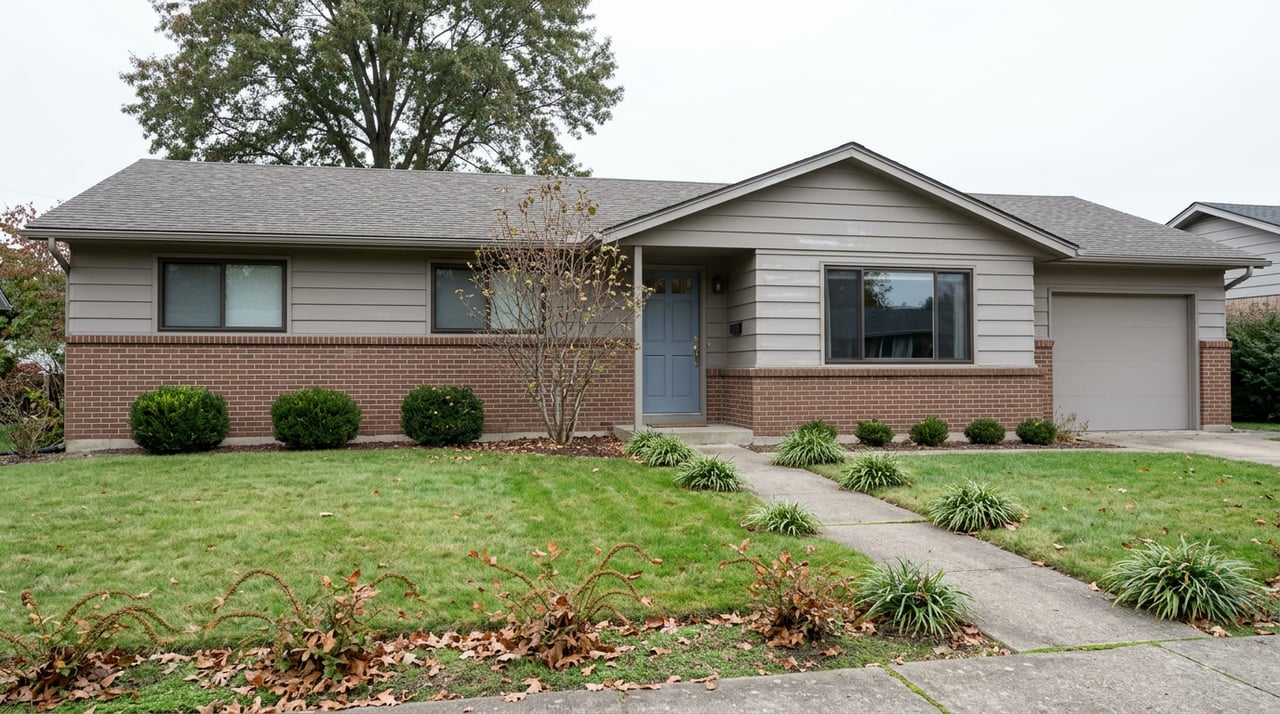
As you move west and north from the river, you’ll see more single-family homes, mid-century ranches, and split-levels with yards. Shopping tends to be small suburban-style strips, and driving becomes more typical day to day. Outside the municipal line, close-in options like Hockessin, Greenville, and Newark offer larger lots and a more suburban lifestyle within a short drive of the city. If you want space and a quieter daily routine, these areas are worth a look.
Getting around and commuting
Wilmington’s biggest transportation asset is its rail station on the Northeast Corridor. Amtrak and regional rail service make Philadelphia commutes practical for many residents and simplify intercity travel. On the local side, DART First State buses run through the Wilmington Transit Center next to the station, which centralizes routes and improves transfers between bus and rail.
Here are two common commute scenarios to help you picture time door to door:
- Downtown or Riverfront resident working in Center City Philadelphia: Walk or rideshare to the station, take a regional or Amtrak train, and walk to the office. Depending on your exact office location and train choice, this door-to-door trip often lands within a predictable window once you know your schedule.
- Close-in suburb resident driving to a Wilmington or suburban office: Plan for typical peak-hour congestion on I‑95 and nearby arterials, then pad a few minutes for parking. The city’s average commute time of about 23 to 24 minutes is a helpful baseline, but real-time apps will give the best day-of estimate.
If you prefer a car-light lifestyle, living near the station and the bus hub makes errands and commuting simpler. If you want a yard and a garage, plan your route and timing around peak traffic.
Daily life: dining, arts, and routines
Most weekend activity concentrates along the Riverfront and Market Street, where it is easy to pair a walk with dinner, a show, or a game. The Riverfront’s restaurants and event calendar make planning a relaxed evening straightforward. For arts and live performances, you will find stages downtown and along the Riverfront, which regularly host touring shows and local productions.
A few minutes outside the core, Wilmington’s Brandywine Valley identity shines through at museums and historic estates. Winterthur, Hagley, and the Nemours estate are popular for gardens, exhibits, and seasonal events, and they are an easy drive from most city neighborhoods. If you enjoy low-key culture paired with outdoor space, these spots tend to become regulars in your weekend rotation.
Here’s a sample “Sunday in Wilmington” loop to help you picture life on the ground:
- Coffee on Market Street. 2) A walk or bike along the Riverfront boardwalk. 3) A few hours exploring gardens or galleries at Winterthur. 4) Early dinner back on the Riverfront before a show or a Blue Rocks game when in season. Simple, close, and easy to repeat.
Parks, trails, and outdoor time
Within city limits, Brandywine Park and Rockford Park make daily green time easy, with trails, lawns, and views that feel miles away from downtown. Just north of the city line, Alapocas Run State Park stands out for its quarry climbing wall, accessible playground, and wooded trails. If you want a quick reset after work, these parks make it easy without a long drive.
Beach days are part of the rhythm for many residents. In non-peak traffic, Wilmington to Rehoboth Beach is roughly 1 hour and 40 to 45 minutes by car, so day trips are very doable. During peak summer weekends, plan extra cushion for coastal traffic and parking.
Housing styles and price bands
Expect a true mix of housing types in and around Wilmington. Inside the core, you will see brick rowhouses, historic loft conversions, and new riverfront condos or apartments. In older in-town neighborhoods like the Highlands, Wawaset, Forty Acres, and nearby blocks, expect early 20th-century detached and semi-detached homes with classic architectural details. West and North Wilmington tilt toward mid-century ranches, split-levels, and detached homes on larger lots.
To frame overall prices, Zillow’s typical home-value index for Wilmington sat around 319,000 dollars as of late January 2026. Month to month, Realtor and local listing snapshots show city medians that can be lower in some downtown ZIP codes and higher in close-in suburban ZIPs. Prices shift with inventory and season, so use these as guideposts and verify current numbers when you are actively shopping.
Here is a practical way to think about budgets today:
- Entry and in-town condos or smaller rowhomes: roughly 150,000 to 300,000 dollars depending on size, condition, and location.
- Move-in-ready single-family or townhomes inside or just outside the city: roughly 300,000 to 600,000 dollars.
- Larger-lot or estate-style homes in close-in suburbs like Greenville or Hockessin: often 600,000 dollars and up.
Your specific search will vary by neighborhood, lot size, renovations, and exact block. If you are comparing a walkable in-town home versus a larger-lot suburban option at the same budget, plan to weigh space, parking, commute style, and maintenance trade-offs.
Walkability and day-to-day errands
Walkability varies by neighborhood. Downtown and the Riverfront offer the highest concentration of restaurants, retail, and entertainment within a short walk. Midtown pockets also make daily walks easy thanks to nearby green space and local eateries. As you move outward, plan for more driving and make a short list of your go-to grocery, pharmacy, and coffee spots to reduce weekly miles.
Who tends to choose Wilmington
- Buyers who want a rail-accessible home base with straightforward trips to Philadelphia or along the Northeast Corridor.
- Shoppers who value neighborhood identity and historic architecture close to parks and riverfront space.
- Movers comparing an in-town lifestyle with close-in suburbs that deliver larger lots while keeping access to city dining and culture.
If you fit one of these profiles, Wilmington likely offers a strong match. Your next step is narrowing micro-neighborhoods and balancing commute, budget, and house style.
How to start your search
- Map your daily routine. List your likely commute, school or daycare drop-offs, grocery trips, and weekend spots. Then test a few routes at peak times.
- Choose two micro-zones to pilot. A common pairing is Riverfront or Midtown as one option, plus a west or north in-town neighborhood as the second. If you want bigger lots, add a close-in suburb.
- Set a budget band with room for upgrades. Wilmington’s older homes can offer great character and value; having renovation or maintenance reserves will keep options open.
- Track live inventory weekly. Restaurant lineups and storefronts change often, and so does housing inventory. Use live business directories and market updates to keep your list current.
When you are ready for a structured plan, a local advisor can match neighborhoods to your goals, set touring routes, and help you compare trade-offs in real time.
Ready to make a move?
If Wilmington feels like a fit, let’s put a plan in motion. Whether you are buying your first home, moving up for more space, or relocating from out of state, we will help you focus your search, manage the process, and negotiate confidently. Reach out to Nicholas Smith for local guidance and a seamless start.
FAQs
Is Wilmington, DE commutable to Philadelphia?
- Yes. Many residents use the Wilmington station for Amtrak or regional rail to reach Center City, then walk or rideshare to the office. Living near the station simplifies the routine.
How long is the average commute within Wilmington?
- The mean travel time to work is about 23 to 24 minutes, which helps you plan daily timing compared with larger metro areas.
Which Wilmington neighborhoods feel most walkable for nightlife and dining?
- The Riverfront and nearby Downtown blocks offer the highest concentration of restaurants, bars, and venues within a short walk, with Midtown pockets also offering easy access.
Where do locals go for arts and history on weekends?
- Many residents visit Brandywine Valley anchors like Winterthur for gardens and exhibits, plus downtown stages for concerts and shows.
What outdoor options are close to the city center?
- Inside the city, Brandywine Park and Rockford Park are everyday favorites. Just north, Alapocas Run State Park adds trails, a quarry climbing wall, and an accessible playground.
How far is Wilmington from Delaware beaches for a day trip?
- In non-peak traffic, Wilmington to Rehoboth Beach is roughly 1 hour and 40 to 45 minutes by car. Expect longer times during peak summer weekends.
What types of homes can I find in Wilmington at different budgets?
- In-town condos and smaller rowhomes often fall in the 150,000 to 300,000 dollar range, many single-family or townhomes run roughly 300,000 to 600,000 dollars, and larger-lot homes in close-in suburbs are often 600,000 dollars and up.
Where can I see an official list of Wilmington neighborhoods?
- The city’s published neighborhood map is the best starting point for understanding names and boundaries before you tour.
Links referenced:
- Population and commute context: See the Wilmington ACS profile at Census Reporter.
- Neighborhood map: Review Wilmington’s official neighborhood map to compare areas.
- Riverfront and events: Check Riverfront Wilmington for dining and activities.
- Rail commuting: See the Wilmington station page for schedules and services.
- Bus hub and transfers: Learn about the Wilmington Transit Center for DART routes.
- Winterthur: Plan a museum and gardens visit.
- Alapocas Run State Park: Explore trails, the quarry wall, and playground.
- Beach drive time: Compare Wilmington to Rehoboth Beach drive times.
- Downtown businesses: Browse the Downtown Wilmington business directory for current eateries and shops.
- Housing index: Review Zillow’s typical home-value index for Wilmington.
Note: Restaurant lineups, performance schedules, and housing medians change often. Always confirm current details as you plan.