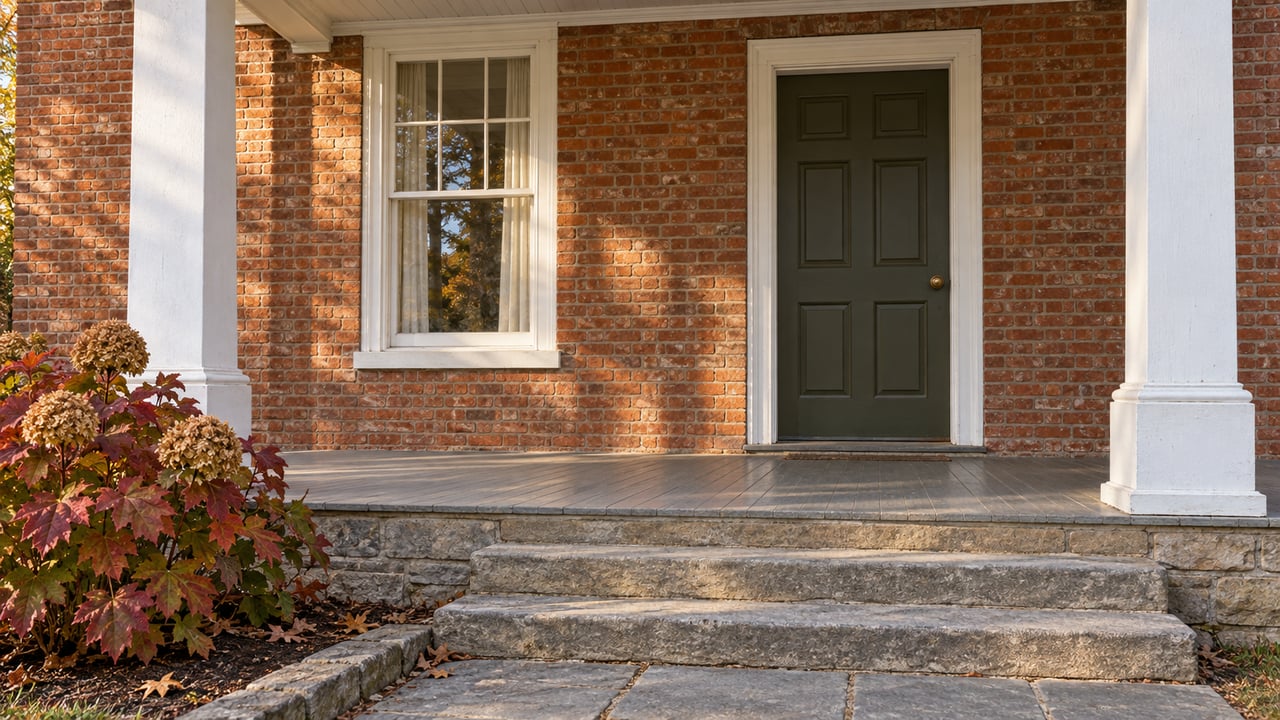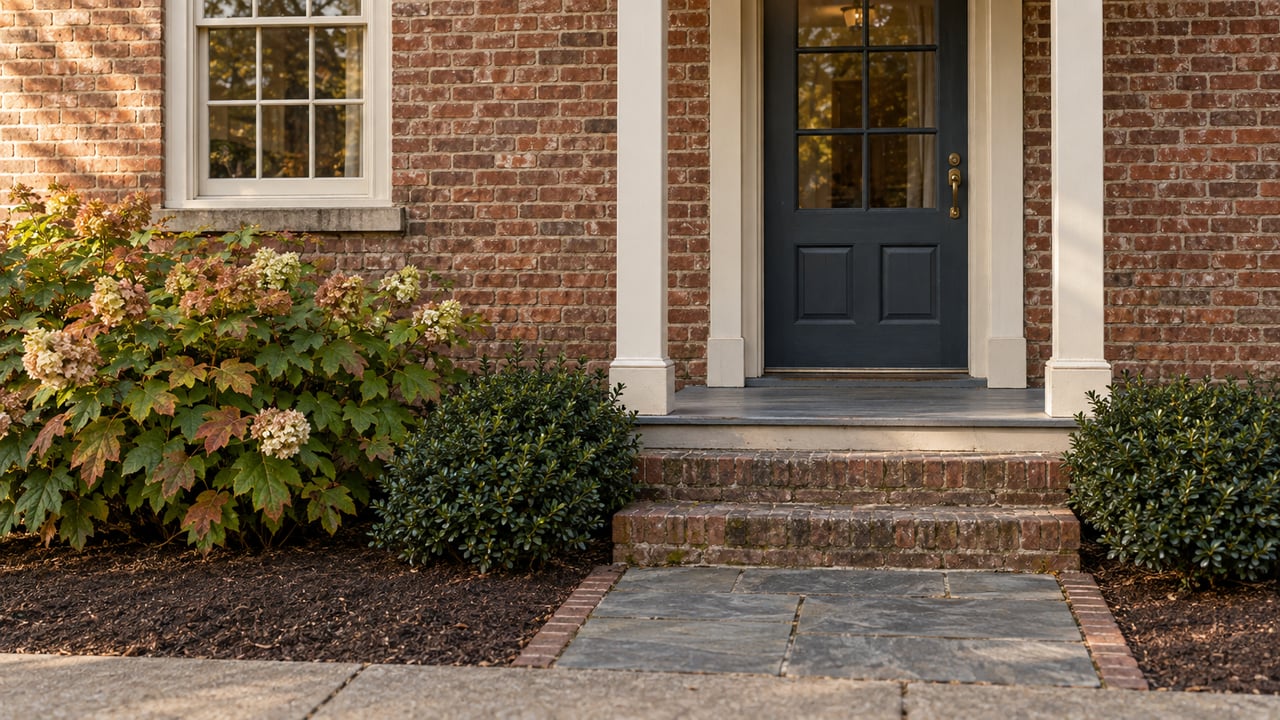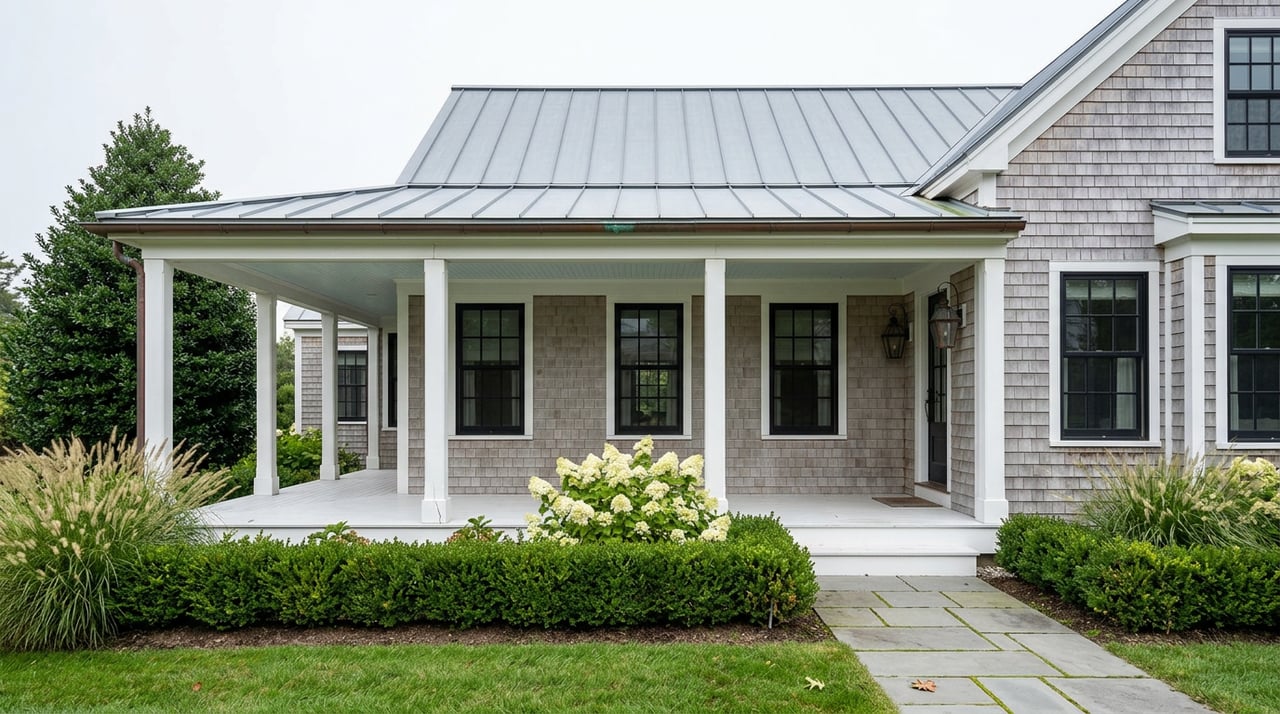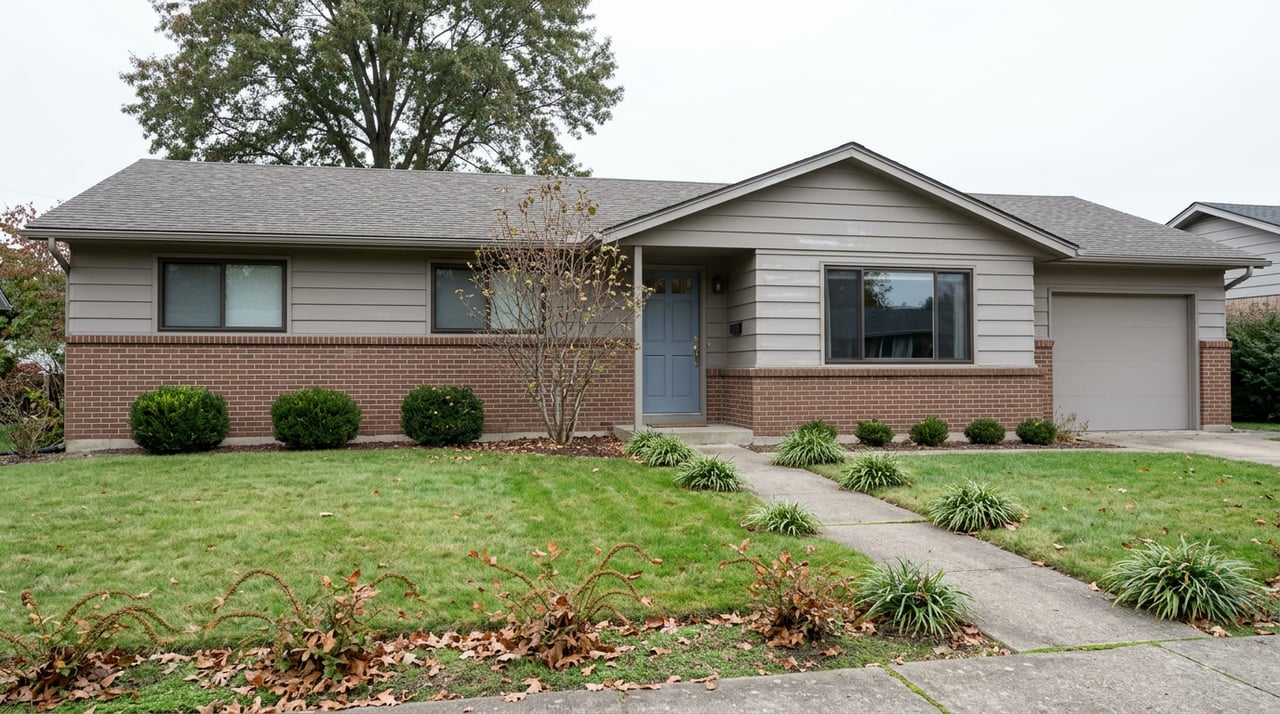
A family in a subdivision built after 2015, a few miles off the runway, lists their home. Their disclosure packet includes an engineer's certification that the walls, windows, and roof cut exterior aircraft noise by a specific number of decibels, because the Kent County Airport Environs Zoning Overlay required that certification before anyone could get a certificate of occupancy. A few streets over, in a rancher built in 1978, the seller checks a single general box on the state's disclosure form and moves on to the next question. Same flight path. Same C-5M Super Galaxy easing toward final approach. Two completely different paper trails.
That gap, not the noise itself, is what actually complicates a sale near Dover Air Force Base.
The One Line Standing In for a Zoning Map
At least thirteen states, according to the National Academies, require sellers to state plainly whether a property sits inside a mapped noise zone or an Air Installation Compatible Use Zone, the formal boundary the military draws around bases like Dover AFB. Virginia requires a dedicated noise-zone box on a form issued by its Real Estate Board. Maryland requires disclosure of known military flight operations that could produce high noise levels. Hawaii ties disclosure directly to whether a property falls inside a published AICUZ boundary.
Delaware isn't on that list.
Delaware Code Title 6, Chapter 25 requires sellers of one to four family homes to disclose, in writing, any material defect they know about, using a Seller's Disclosure of Real Property Condition Report approved by the Delaware Real Estate Commission. The current form is thorough on the home itself, it asks about roughly forty different appliances alone, on top of separate questions covering pool equipment, past repairs, and known defects. Tucked into the additional-information section is a catch-all question asking whether the seller has received formal notice of any change that may materially or adversely affect the property, with examples like zoning changes, road changes, and proposed utility changes. Aircraft noise can live inside that question, if a seller thinks to name it there. There's no dedicated line asking about flight paths, no reference to a noise contour map, no AICUZ checkbox the way a Virginia or Maryland form would require.
For buyers near Dover AFB, the disclosure form is only part of the picture; new construction is subject to additional requirements.
What New Construction Has That Resale Doesn't
According to the Dover AFB Compatible Use Study, Kent County and the City of Dover closed part of that gap for new construction with an Airport Environs Zoning Overlay, adopted specifically to address sound from the base's flight operations. Any new subdivision inside the AICUZ boundary now carries a required note on the recorded plan, warning future owners the property sits in the vicinity of aircraft operations that may result in high noise disturbances. Builders working inside the overlay must certify, through a Delaware-licensed architect or engineer, that their construction materials reduce exterior noise by a set amount before the county will issue a certificate of occupancy. That required reduction scales with proximity to the flight path.
| Sub-district | Required exterior-to-interior noise reduction |
|---|---|
| A | 25 decibels |
| B | 30 decibels |
| C | 35 decibels |
| D | 40 decibels |
None of that applied to anything built before the overlay took effect, and a meaningful share of Dover's housing stock predates it by decades. A 1978 rancher near a home rated for Sub-district C carries no certified sound performance at all, because nobody required one when it was framed. That isn't a defect. It's a home built under a different set of rules, and it shifts the burden of describing what daily life actually sounds like back onto the seller's own words rather than an engineer's signature.
Not every home near the base sits in a standard subdivision either. Chandelle Estates, established in 1968 on the northwest side of the runway, is an aviation-oriented neighborhood built with individual taxiway access for residents who fly. It's a useful contrast: that community was designed around the base's operations from the start. Most Dover neighborhoods under the approach path were not, which is exactly why disclosure carries more weight there than the overlay's plat notes alone can capture.
Dover Home Sales and Listing Prices
Dover sold 334 homes in April 2026, up from 292 a year earlier, at a median price of $375,000, with days on market stretching to 49 from 34 over that same year. By July 2026, homes listed in Dover carried a median asking price of $385,000, at $191 per square foot.
What This Means If You're Listing Near the Base
Name the flight path in writing before the first showing, not after an offer is already on the table. A buyer who hears a C-17 on approach during a walkthrough may respond differently if they already know to expect it.
If the home was built after the overlay took effect, gather the sound-reduction certification paperwork before you list. That documentation may be useful to share with a buyer's lender or insurer.
If the home predates the overlay, put the catch-all disclosure answer in your own words rather than leaving it as a single checked box. A short description of what a resident actually hears, and when, helps a buyer know what to expect.
It's also worth knowing that Dover AFB's public affairs office takes noise complaints directly from residents and works to resolve them, so a prospective buyer researching the address on their own is unlikely to find a pattern of unresolved complaints tied to normal flight operations. That context is useful to have ready if a buyer raises the question themselves.
A Few Questions Worth Asking Before You List
Does every home in Dover fall under the noise overlay? No. Only property inside the AICUZ boundary is covered by the Kent County and City of Dover overlay. Homes farther from the approach path sit outside it entirely and carry no plat note or construction requirement.
Does a lower sub-district rating mean a home will be harder to sell down the road? Not on its own. Engineered sound reduction is a documented feature of the home, not a defect. It becomes a problem only when a buyer doesn't learn about the flight path until deep into a transaction they already assumed was quiet.
Is answering the catch-all question on Delaware's disclosure form enough? It doesn't replace a direct conversation with a buyer before they write an offer. This isn't legal advice, and any seller with specific questions about completing the disclosure form should talk with a Delaware real estate attorney before signing it.
Selling a home under a flight path calls for clear information about the property, particularly for buyers considering how it relates to the base. If you're weighing a listing near Dover AFB and want a straight read on what your specific address, sub-district, and build date mean for how this plays out, Nicholas Barrett Group can walk through it with you, starting with a free home valuation that accounts for exactly where your property sits relative to the base.