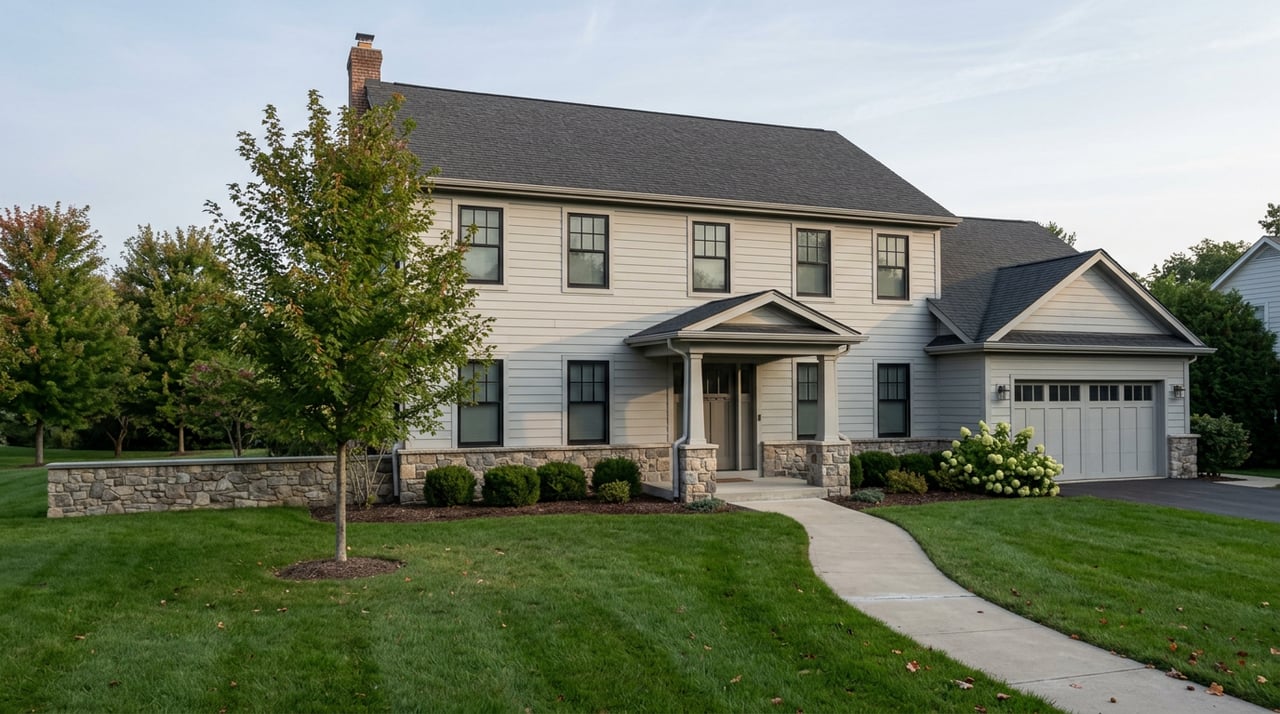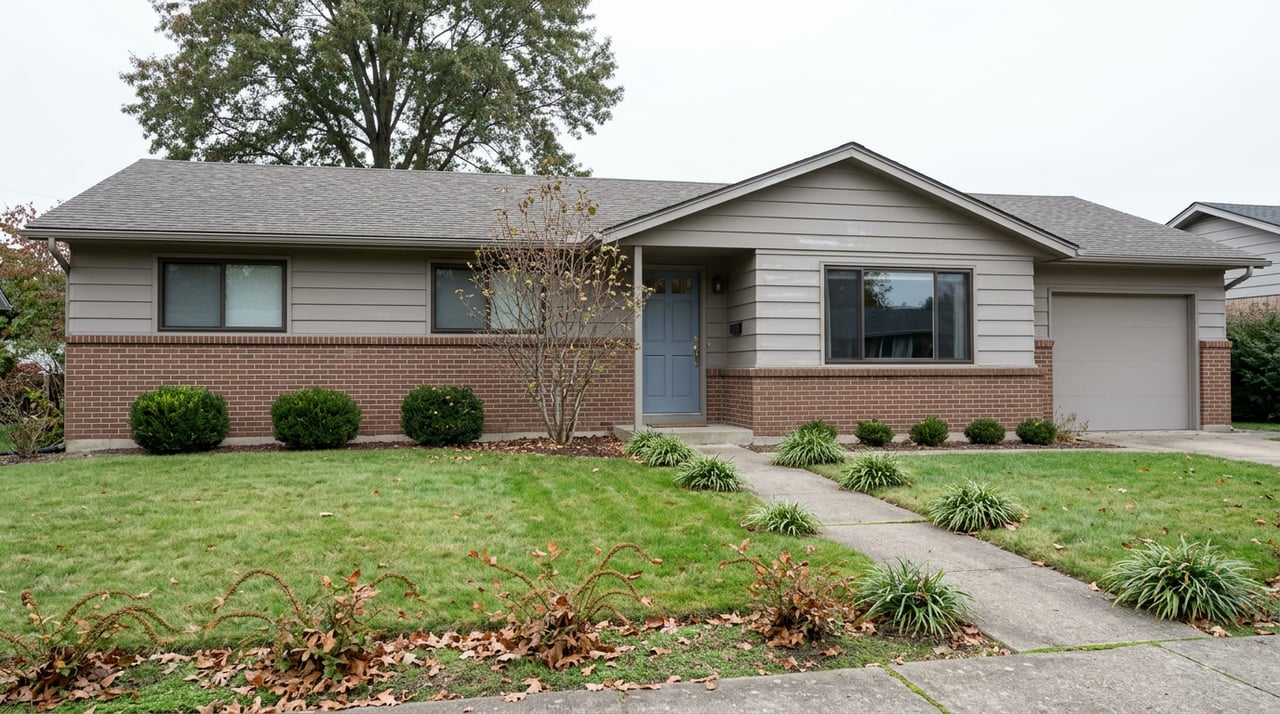
A second home in Lewes can look simple on paper until the real monthly cost comes into focus. Between purchase price, financing, transfer tax, flood exposure, HOA budgets, and possible rental rules, the numbers can shift more than many buyers expect. If you want a place near the coast without getting surprised after closing, it helps to know where the real decision points are. Let’s dive in.
Why Lewes Stands Out
Lewes sits in Delaware’s higher-priced coastal tier, but it still compares favorably to several nearby beach towns. Realtor.com’s March 2026 snapshot shows a median listing price of $650,000 in Lewes, compared with about $790,000 in Rehoboth Beach, $898,000 in Dewey Beach, and $919,500 in Bethany Beach.
That price gap matters if you are comparing lifestyle options across Sussex County. It can affect not only your purchase price, but also your down payment, closing costs, insurance, and ongoing carrying costs. In short, a lower entry point in Lewes may create more flexibility in your overall second-home budget.
Lewes is also currently labeled a buyer’s market, with a median 56 days on market in the March 2026 snapshot. That does not mean every home will be easy to negotiate, especially as spring and summer activity picks up, but it does suggest you should tailor your offer strategy to Lewes rather than assume all coastal towns are behaving the same way.
Start With Total Cost
When you buy a second home, the listing price is only the first number. A more useful way to evaluate a Lewes purchase is to look at the full annual and monthly cost of ownership.
That includes:
- Purchase price
- Down payment
- Closing costs
- Mortgage payment
- Mortgage insurance, if applicable
- Property taxes
- Transfer tax
- Homeowners insurance
- Flood insurance, if needed
- HOA or condo dues
- Reserve funding and possible special assessments
- Maintenance and seasonal upkeep
This total-cost view is especially important in a coastal market. A home that looks affordable at first glance can become less attractive once flood insurance, association costs, and maintenance planning are added in.
Budget Beyond the Down Payment
Many second-home buyers focus on the down payment first, but cash to close is usually higher than expected. CFPB says closing costs typically run about 2% to 5% of the purchase price, excluding the down payment.
On a $650,000 purchase, that range can add up quickly. CFPB also advises buyers to keep an emergency cushion of about 3 to 6 months of expenses, which is especially relevant for a second home where you may have two sets of housing-related costs to manage.
If you are financing the home with less than 20% down, mortgage insurance will typically increase your loan cost. That does not automatically make the purchase a poor fit, but it should be part of your upfront budgeting before you decide what price range feels comfortable.
Understand Second-Home Loan Rules
Not every vacation-area purchase qualifies as a second home under standard lending rules. Fannie Mae says a second home must be occupied by you for some portion of the year, be a one-unit dwelling suitable for year-round occupancy, remain under your exclusive control, and not be a rental property or timeshare.
That distinction matters because your intended use can affect financing terms. Fannie Mae also notes that some second-home loans receive a loan-level price adjustment, and borrowers with multiple financed properties may need additional reserves.
If you think you may rent the property sometimes, the details matter. Fannie Mae says a property can still be treated as a second home in certain situations if rental income is not used to qualify and the other second-home rules are met. This is one reason it helps to define your plan early, before you choose a lender or make an offer.
Know Delaware Transfer Tax and Local Taxes
Delaware’s realty transfer tax is a key cost line item for second-home buyers. In counties and municipalities that impose a local transfer tax, the total is generally 2.5%, usually split 1.25% to the buyer and 1.25% to the seller.
There is also a first-time buyer credit in some situations, but it applies to buyers who intend to make the property their principal residence within 90 days. That does not fit a typical second-home purchase in Lewes, so most second-home buyers should plan without assuming that credit will apply.
Sussex County property taxes follow a July 1 to June 30 tax year. The county mails annual bills in August, and taxes are due by September 30. Rates vary by school district, so it is smart to review the specific tax picture for any address you are considering.
Review HOA and Condo Documents Early
If you are buying in a condo or planned community, the association documents are not just paperwork. They are one of the best tools you have for spotting future costs, restrictions, and possible headaches before closing.
For resale units in Delaware common-interest communities, the resale packet can include the declaration, bylaws, rules, assessment information, reserve balance, reserve study, financial statements, budget, insurance, and recent board minutes. If you do not receive the resale certificate before signing the contract, Delaware law gives you the right to cancel within 5 calendar days after first receiving it.
That review window is valuable, but it is even better to get these documents as early as possible. Early review gives you more time to understand fees, rule changes, pending projects, and whether the community is being managed in a financially responsible way.
What to Look for in HOA Documents
As you review the package, pay close attention to:
- Current monthly or quarterly dues
- Reserve balance and reserve study timing
- Approved or proposed special assessments
- Insurance coverage carried by the association
- Rules on owner use and rentals
- Board minutes that mention upcoming repairs or disputes
A low HOA fee is not always a bargain. In some communities, lower dues may simply mean the association is underfunding future repairs.
Pay Attention to Reserve Funding
Delaware law puts real weight behind reserve planning for condo and co-op communities. A reserve study must be updated within the last 5 years, and budgets must include a reserve line item sufficient to reach the reserve-study target.
If there is no current reserve study, Delaware statute sets minimum reserve contributions at 5%, 10%, or 15% of the annual budget depending on how many major systems the board is responsible for maintaining, repairing, or replacing. Those systems can include roofs, windows, HVAC systems, pools, and docks.
For you as a buyer, this means monthly dues are only part of the ownership picture. You should also review whether the community is realistically planning for long-term capital work or whether future owners may face larger out-of-pocket costs later.
Check Flood Risk by Address
Flood risk in Lewes is not a broad theory. It is a property-by-property issue tied to coastal conditions, elevation, and nearby waterways.
The City of Lewes says the area is exposed to flooding related to the Delaware Bay, the Lewes and Rehoboth Canal, and Canary Creek, along with nor’easters, hurricanes, low elevation, coastal winds, and high tides. The city and DNREC direct buyers to FEMA maps and the Delaware Flood Planning Tool to evaluate a specific address.
If a home is in the 100-year floodplain and your mortgage is federally backed, flood insurance is mandatory. Even outside the floodplain, standard homeowners insurance does not cover flood damage, and Delaware’s insurance department notes that flood premiums depend on factors such as risk, age, and construction.
One more practical point: NFIP policies do not take effect for 30 days. If flood coverage may be needed, you do not want to leave that question until the last minute.
Think Carefully About Rental Plans
Some buyers want a second home mainly for personal use, while others hope to offset costs with rentals. If renting is part of your plan, you need to confirm both city rules and community rules before you buy.
Lewes requires the owner of any short-term or long-term residential rental to obtain the proper rental license before renting. The city defines a short-term rental as 30 days or less, allows short-term rentals to be licensed in all areas of the city, and requires a local contact person who can respond within two hours when requested by the city.
The city also requires remittance of its gross receipts rental tax. On top of that, an HOA or condo association may have its own rental restrictions, occupancy rules, or leasing procedures. That is why rental viability should be verified with documents, not assumptions.
Match Your Offer Strategy to Lewes
A second-home purchase in coastal Delaware should not rely on a one-size-fits-all approach. Lewes is currently showing buyer’s-market conditions, while nearby coastal towns are not all moving the same way.
That creates opportunity, but it does not remove the need to be ready. Delaware housing coverage notes that the spring and summer market tends to ramp up as weather improves, so desirable turnkey homes may still attract quick interest.
A practical approach usually includes:
- Getting preapproved before you shop seriously
- Defining whether the home is for personal use, rental use, or both
- Reviewing flood exposure early
- Requesting HOA or condo documents as soon as possible
- Building taxes, insurance, and dues into your monthly target
In a market like Lewes, the goal is not just to negotiate well. It is to make a clean, informed decision with fewer surprises after you own the property.
Make the Right Comparison
If you are choosing between Lewes and another nearby beach town, compare more than the asking price. A home in Lewes may come with a lower purchase price than similar options in Rehoboth Beach, Dewey Beach, or Bethany Beach, but the better fit still depends on the full cost structure and how you plan to use the property.
For example, a condo with lower maintenance demands may also come with dues and reserve obligations. A single-family home may offer more control, but it could mean more upkeep, more insurance exposure, and a different set of seasonal responsibilities.
The right choice usually comes from balancing lifestyle goals with the actual numbers. That is where a structured buying process can save you time and help you avoid expensive assumptions.
If you are considering a second home in Lewes, working with an advisor who understands Sussex County market differences, property-type tradeoffs, and the due diligence process can make the path much clearer. For tailored guidance on evaluating the numbers, narrowing your options, and moving confidently from search to closing, connect with Nicholas Smith.
FAQs
What should you budget for when buying a second home in Lewes?
- You should budget for more than the down payment, including closing costs, transfer tax, property taxes, insurance, possible flood insurance, HOA dues, maintenance, and a cash reserve for unexpected expenses.
How does the Lewes market compare with nearby beach towns?
- Lewes had a median listing price of $650,000 in March 2026, which was lower than Rehoboth Beach, Dewey Beach, and Bethany Beach in the same snapshot, and Lewes was labeled a buyer’s market.
What loan rules apply to a second home in Lewes?
- A second home generally must be a one-unit property suitable for year-round use, occupied by you for part of the year, kept under your control, and not treated as a rental property or timeshare under standard second-home guidelines.
What should you review in a Lewes condo or HOA community?
- You should review the rules, assessments, reserve study, reserve balance, budget, insurance, financial statements, and board minutes to understand both current costs and possible future expenses.
What flood questions matter before buying a home in Lewes?
- You should check the specific address on FEMA and Delaware flood tools, confirm whether flood insurance is required, and understand that standard homeowners insurance does not cover flood damage.
What are the rental rules for a second home in Lewes?
- If you plan to rent the property, Lewes requires the proper rental license, defines short-term rentals as 30 days or less, requires a local contact who can respond within two hours when requested by the city, and requires remittance of the city’s gross receipts rental tax.