Are you getting ready to sell an older Wilmington home and wondering where to start? It is easy to focus on paint colors and staging first, but older homes usually sell more smoothly when you tackle condition, paperwork, and buyer questions early. If you prepare the right way, you can reduce surprises, make inspections feel less stressful, and help buyers feel more confident about your home. Let’s dive in.
Start With Condition First
When you sell an older home in Wilmington, the smartest first step is usually to look past cosmetics and focus on the issues most likely to come up during inspections and disclosure discussions. That means paying close attention to roof leaks, moisture intrusion, foundation movement, plumbing or drainage concerns, electrical systems, heating issues, pests, windows and doors, and any prior fire, flood, or water damage.
That approach matters in Delaware because the seller disclosure form asks direct questions about many of these topics. It also asks about structural changes, permits, lead hazards, asbestos, drainage, termites, and foundation movement. In other words, buyers and their inspectors are likely to focus on the same areas you should review before listing.
Prioritize Repairs That Reduce Friction
Not every older Wilmington home needs a full renovation before it hits the market. In many cases, the most valuable repairs are the ones that reduce negotiation friction and help keep a deal together once a buyer is under contract.
A practical way to prioritize is to sort repairs into three buckets:
- Repair now for issues that may raise immediate concern during showings or inspections
- Get estimates for significant work you do not plan to complete before listing
- Disclose clearly when a condition will stay as-is
If a repair is substantial, getting a written estimate can still be useful even if you do not intend to do the work yourself. That gives you a better sense of what buyers may factor into negotiations and helps you make informed decisions before inspection requests start coming in.
Use Lead-Safe Practices in Older Homes
If your home was built before 1978, repairs involving painted surfaces deserve extra care. Renovation, repair, and painting work in older homes can create dangerous lead dust when painted surfaces are disturbed.
That is why lead-safe practices matter during pre-listing work. If you plan to complete repairs in a pre-1978 home, using a lead-safe certified contractor is the safer path.
Organize Your Disclosure Documents Early
In Delaware, sellers of residential property must disclose known material defects in writing before the listing agreement. The disclosure must also be updated if a material change happens before settlement, and prospective buyers must receive the disclosure before making an offer.
Just as important, Delaware says the completed disclosure is a good-faith effort, not a warranty. Buyers can still conduct inspections and negotiate repairs or concessions, which is why having accurate information ready from the start can make the process feel more organized and less reactive.
Build a Seller Packet
For an older Wilmington home, a well-prepared seller packet can save time and reduce back-and-forth once buyers begin asking questions. It can also show that you have approached the sale carefully and transparently.
Your packet may include:
- Prior inspection reports
- Repair invoices and contractor receipts
- Permit sign-offs
- HVAC and appliance warranties or manuals
- Radon test results or related records
- Lead test results or lead-related documents
- Insurance claim records
- Documentation for past water, pest, or foundation issues
Delaware’s disclosure form also asks about plumbing type, including whether the water supply uses lead piping. It asks whether additions or upgrades were completed by a licensed contractor and with required permits. For that reason, gathering permit history and records for past work is especially important before you list.
Understand Radon and Lead Disclosure Rules
Delaware requires buyers to be notified that a home may present radon exposure potential. Sellers must also provide any radon information or test results they already have.
If your home was built before 1978, federal lead disclosure rules apply as well. Known information about lead-based paint and lead-based paint hazards must be disclosed before the sale of most pre-1978 housing.
For older homes, these topics can feel sensitive, but clear documentation usually helps more than avoidance. When buyers see that you have gathered your records early, the transaction often feels more straightforward.
Check Wilmington Permit Rules Before Exterior Work
Before replacing windows, doors, gutters, or exterior materials, it is worth checking whether your property is in one of Wilmington’s historic or neighborhood conservation districts. The city’s Historic Preservation program reviews many types of exterior work in those areas.
Reviewable work can include rehabilitation, alterations, new construction, demolition, fencing, and substantial landscape disturbance. Window and door replacements are also evaluated during permit review, and work completed without required approval can face financial penalties.
Historic District Details Matter
For sellers of older Wilmington homes, seemingly simple updates may not be as simple as they appear. The city notes that exterior painting requires a permit in historic districts, and even work that is otherwise exempt from a permit still must comply with building, zoning, mechanical, plumbing, and historic-district rules.
That means you should confirm district status before starting exterior projects, even if they seem minor. This step can help you avoid spending money on work that creates problems later when buyers review the home more closely.
The city also notes that some rehabilitation projects in historic districts may qualify for historic preservation tax credits or city tax abatement. If you are deciding whether to complete certain repairs before listing, that may be worth exploring as part of your planning.
Stage for Buyers, Not Daily Life
Once the home’s condition and paperwork are under control, then it makes sense to shift to presentation. Sellers are not required to make cosmetic updates, but basic preparation can improve both listing photos and in-person showings.
A strong pre-listing refresh often includes cleaning windows, carpets, lighting fixtures, and walls, removing clutter, and improving curb appeal. In an older home, these simple steps can help buyers focus on the space itself instead of the distractions around it.
Highlight Character Clearly
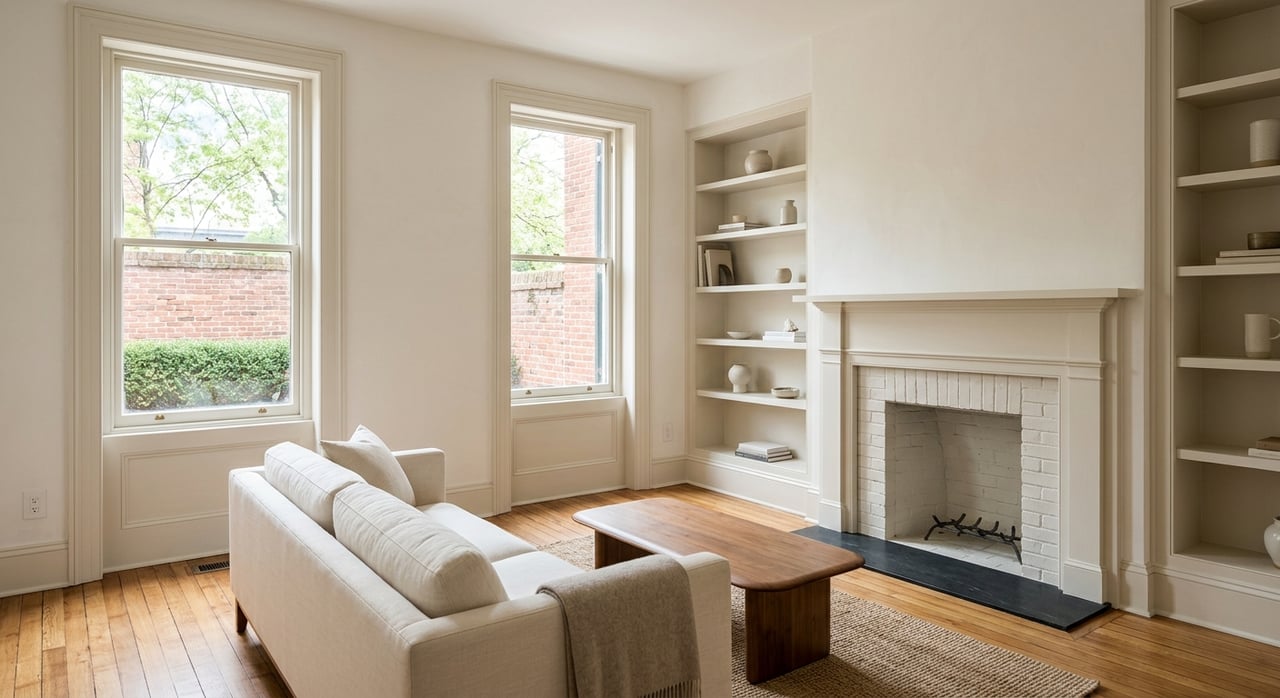
Older Wilmington homes often have details that buyers appreciate, but those features need room to stand out. When rooms are crowded or dim, original trim, wood floors, fireplaces, and other character elements can get lost.
A simpler presentation strategy usually works best. Reduce clutter, improve lighting, and make the home feel open and easy to understand in photos and during tours.
Staging can help with that. In 2025 staging research, 83 percent of buyers’ agents said staging helped buyers visualize a home as their future home. The living room, primary bedroom, and kitchen were identified as especially important areas to stage.
Consider a Pre-Listing Inspection
A pre-listing inspection is not required, but it can be a smart move for an older Wilmington home. It gives you the chance to identify issues before the property is shown and before a buyer’s inspection drives the conversation.
A pre-sale inspection may cover the structure, roof, plumbing, electrical systems, heating and air conditioning, ventilation and insulation, fireplaces, and health-related issues such as mold, radon, lead paint, and asbestos. For older properties, that early information can help you plan with more confidence.
Decide Your Strategy Before Buyers Do
If an inspection uncovers issues, you do not need to solve every problem the same way. A smoother strategy is to decide in advance which items you will repair, which ones you may credit for, and which conditions you will disclose and sell as-is.
That kind of planning can help you stay calm during negotiations. It also helps your agent position the home more clearly, especially when buyers ask detailed questions about age, maintenance history, or past repairs.
Because Delaware’s disclosure form is a good-faith report rather than a warranty, buyers may still complete their own inspections and ask for repairs or concessions. Preparing early does not remove every issue, but it can reduce last-minute surprises and give you more control over how the sale unfolds.
A Smoother Sale Comes From Preparation
For older Wilmington homes, smooth sales usually come from preparation more than perfection. If you address likely inspection issues, organize your records, check permit requirements before exterior work, and present the home clearly, you can make the transaction feel more predictable for both you and your buyer.
That is where a process-driven approach matters. When you plan ahead, you are not just getting the home ready to show. You are getting it ready to withstand scrutiny, answer buyer concerns, and move from listing to closing with fewer avoidable delays.
If you are thinking about selling an older home in Wilmington and want a clear plan for pricing, preparation, and next steps, connect with Nicholas Smith for guidance tailored to your property and timeline.
FAQs
What should you fix before selling an older Wilmington home?
- Focus first on issues most likely to affect inspections and disclosures, such as roof leaks, moisture intrusion, foundation movement, plumbing, electrical, heating, pests, windows, doors, and past water or fire damage.
When must Delaware sellers provide a property disclosure?
- Delaware requires sellers to provide the written disclosure before a buyer makes an offer, and the disclosure must be updated if a material change happens before settlement.
Do pre-1978 Wilmington homes need lead disclosure?
- Yes. If the home was built before 1978, known information about lead-based paint and lead-based paint hazards must be disclosed before the sale.
Should you get a pre-listing inspection for an older Wilmington house?
- A pre-listing inspection is optional, but it can help you identify problems early and decide which issues to repair, credit for, or disclose before buyer negotiations begin.
Do Wilmington historic districts affect exterior home updates?
- Yes. In Wilmington historic and neighborhood conservation districts, many exterior changes may require review, including some window, door, fencing, landscape, and painting work.